As spring arrives in Idaho, the trails reopen, golf courses fill up, and pickleball courts get busy again. After months of cold weather, many athletes and active adults jump right back into their routines. At Ascend Physical Therapy, we often see a spike in early-season injuries simply because people return to activity without properly preparing their bodies.
But there is one important question to ask before lacing up your shoes or grabbing your clubs. Are you warming up correctly?
A rushed or skipped warm-up can lead to stiffness, slower reaction times, reduced power, and a higher risk of injury. With the right approach, you can prepare your body for optimal performance while reducing strain on your muscles and joints. Whether you are trail running, mountain biking, hiking, golfing, or playing court sports, a structured warm-up helps you move better and perform at a higher level.
Why Is a Proper Warm Up Important for Performance and Injury Prevention?
A proper warm-up does far more than simply help you break a sweat. It prepares your entire system for movement.
Research supports that an effective warm-up should:
- Increase blood flow to deliver oxygen and nutrients to working muscles
- Activate key muscle groups required for your specific sport
- Improve joint mobility and range of motion
- Enhance neuromuscular control so your brain and muscles work together efficiently
When you skip this step, you are asking your body to go from rest to high demand without preparation. This is when common spring injuries occur, especially in Idaho, as outdoor activity levels increase.
Early-season injuries often include:
- Ankle sprains
- Achilles tendon irritation
- Hamstring strains
- Knee discomfort
- Lower back pain
A dynamic warm-up improves joint stability, coordination, and muscle readiness, helping reduce these risks while improving speed, strength, and control.
What Are the Most Common Warm-Up Mistakes?
Many active adults believe they are warming up properly, but a few common mistakes can limit performance and increase the risk of sports injury.
Skipping the Warm Up Entirely
Jumping straight into a workout or recreational sport increases strain on muscles and connective tissues. This often leads to tightness, cramping, or early fatigue.
Holding Long Static Stretches Before Activity
Static stretching has its place, but long holds before activity can temporarily reduce muscle power and explosiveness. These stretches are more appropriate after exercise when your goal is recovery and flexibility.
Using the Same Warm-Up for Every Activity
A slow jog around the parking lot may not prepare you for lateral movement in pickleball or rotational demands in golf. Your warm-up should reflect the movement patterns of your sport.
Customizing your preparation improves both performance and efficiency.
What Is the Right Way to Warm Up for Spring Activities?
A structured three-phase approach is simple, effective, and adaptable to nearly any sport.
Phase 1: Light Cardiovascular Activation
Spend three to five minutes gradually increasing your heart rate with movements that mimic your activity.
For runners and hikers:
- Brisk walking
- High knees
- Butt kicks
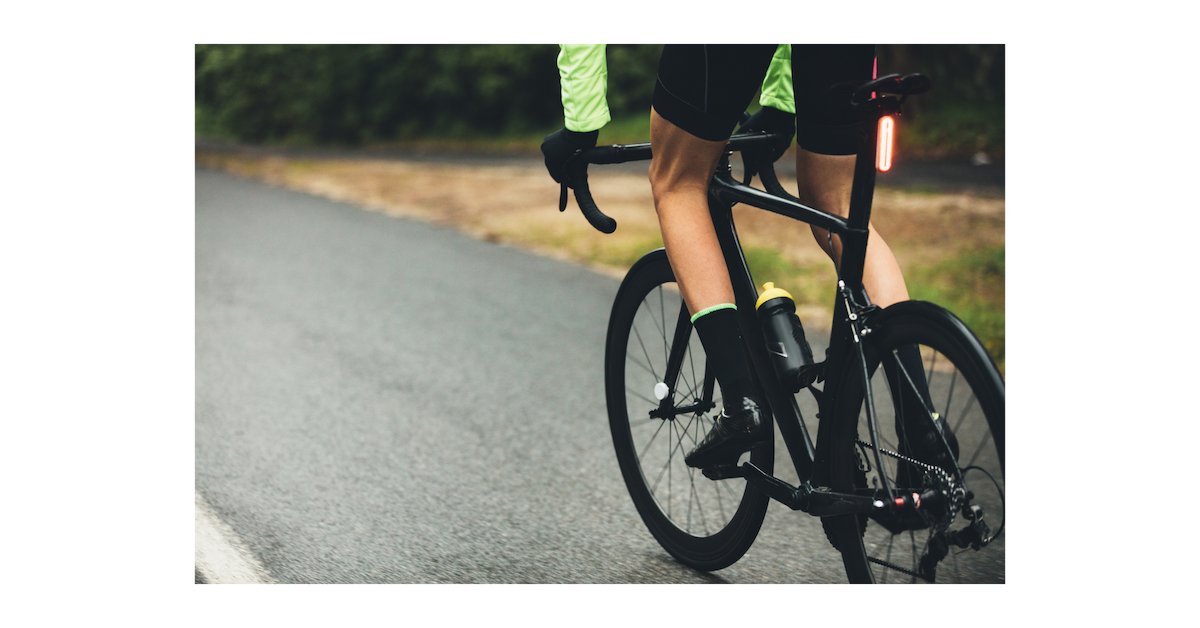
For cyclists:
- Easy pedaling
- Gradually increasing resistance
For pickleball or tennis players:
- Side shuffles
- Light footwork drills
For golfers:
- Arm circles
- Controlled torso rotations
- Mini squat to toe touches
This phase improves circulation and prepares muscles for movement.

Phase 2: Dynamic Mobility Work
Once your body temperature rises, focus on mobility. Dynamic movements improve range of motion while keeping muscles engaged.
Hip and ankle mobility:
- Walking lunges
- Lateral leg swings
- Ankle rolls
Thoracic spine mobility:
- Rotational reaches
- Cat cow movements
Shoulder and wrist mobility:
- Arm swings
- Band pull aparts
- Wrist circles
Improving joint mechanics at this stage enhances efficiency and control.
Phase 3: Sport-Specific Activation
The final phase activates the primary muscles you will rely on during activity.
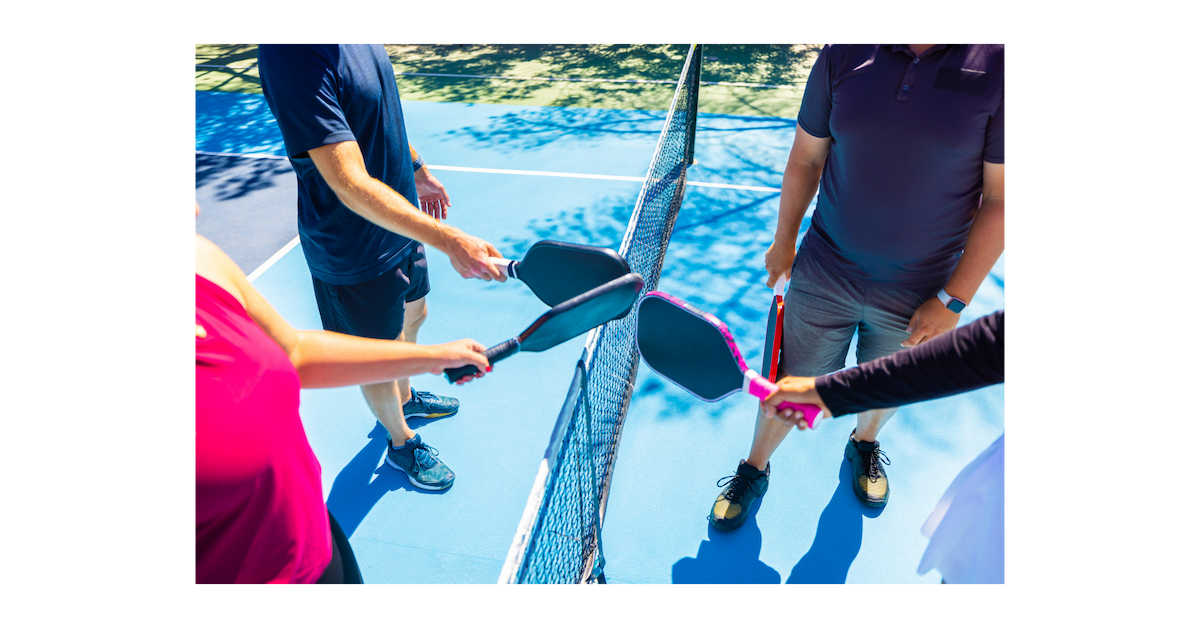
For court sports:
- Quick lateral steps
- Mini jumps
- Shadow swings
For running and hiking:
- Leg swings
- Skipping drills
- Calf raises
For golf:
- Light resistance band rotations
- Controlled practice swings
For cycling:
- Glute activation drills
- Slow cadence progressions
This phase improves neuromuscular control so your body is ready to move explosively and efficiently.
Taking ten to fifteen minutes to complete these three phases can significantly improve how you feel during activity and how your body recovers afterward.
Stay Active and Injury Free This Season with Ascend
As Idaho moves into peak hiking, biking, and golf season, preparation matters. A structured dynamic warm-up helps you move better, reduce injury risk, and perform at your highest level.
If you are dealing with stiffness, recurring injuries, or performance limitations, the team at Ascend can help. Through movement analysis and individualized performance strategies, Ascend helps active adults and athletes build strength, improve mobility, and stay in the game all season long.
Before you head out this spring, make sure your body is ready. Schedule an evaluation with Ascend and take the next step toward stronger, safer performance.
Contact us